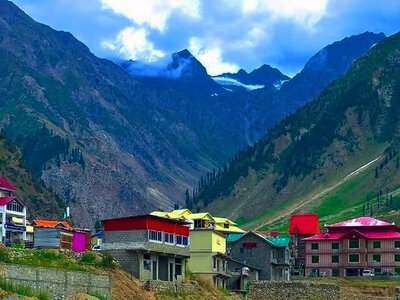
Tucked in the heart of Pakistan’s mountains, Kaghan Valley feels like a dream come to life. Wake up to the sun rising over emerald meadows, breathe crisp mountain air, and gaze at lakes so clear they reflect the sky like glass. In Naran, the lively hum of local markets excites you, while in Shogran, the gentle whispers of the wind invite you to unwind and reconnect with nature. Every season offers its own magic, promising unforgettable moments—whether sharing laughter with loved ones or finding peace in solitude. With the changing climate, many travelers wonder when the best time is to experience the true soul of Naran Kaghan and when Shogran reveals its most enchanting beauty.
The best time to visit Naran Kaghan depends on your travel preferences. Summer is ideal for families and first-time visitors, offering convenience and full access. Autumn provides a quieter experience for couples and those seeking peace. Spring and winter appeal to adventurous travelers. For Shogran, June offers alpine freshness, while October is best for a peaceful autumn visit.
If you are ready to explore Kaghan Valley, consider our Naran Kaghan and Shogran travel packages, which offer customized tours for each season. This guide outlines Kaghan Valley’s seasonal weather to help families, first-time visitors, couples, and those seeking tranquility plan a trip that suits their preferences.
Kaghan Valley Weather: What to Expect
Kaghan Valley enjoys four distinct seasons, each painting the landscape in different colors:
- Winter (December – February): Heavy snowfall closes most routes, including Babusar Pass, while temperatures often drop below freezing.
- Spring (March – May): Melting snow reveals blooming meadows, rushing streams, and fresh greenery, while lower areas like Shogran reopen.
- Summer (June – August): The most popular season, with pleasant temperatures (15–25°C) and full access to all major attractions.
- Autumn (September – November): Crisp, cool air and golden foliage, with fewer tourists and budget-friendly options.
Spring in Kaghan Valley (March to May)
Spring offers a calm atmosphere after winter, and Shogran becomes accessible by late March, making it suitable for those who prefer quieter travel.
- Highlights: Siri Paye Meadows, cherry blossoms, flowing rivers.
- Activities: Easy hikes, nature photography, family picnics.
- Tip: Pack light jackets, as mornings and evenings remain chilly.
Summer: Peak Travel Season (June to August)
Summer is ideal for families and first-time travelers. The valley is in full bloom, lakes are accessible, and high passes are open.
Highlights:
- Lake Saif-ul-Malook with its crystal-clear waters.
- Babusar Top with panoramic Himalayan views.
- Vibrant Shogran meadows, perfect for a family escape.
- Activities: Boating, trekking, camping, fishing, and jeep rides to remote spots.
- Local Tip: Book accommodations early, as Naran becomes crowded in July and August.
Autumn: Golden Tranquility (September to November)
Autumn in Kaghan Valley offers tranquility and striking natural beauty. As visitor numbers decrease, forests and meadows display vibrant fall colors in a peaceful setting.
- Best Month to Visit Shogran: October is notable for its crisp air, vibrant fall colors, and serene atmosphere.
- Highlights: Quieter trails, discounted hotel rates, and stunning photography opportunities.
- Tip: Bring warm clothing, as evenings in Shogran and Naran can be cold.
Winter: A Snowy Wonderland (December to February)
Winter in Kaghan Valley appeals to those who value solitude and snowy landscapes. While many high routes close, the lower valley offers impressive, untouched winter scenery.
- Highlights: Snow-covered meadows, frozen rivers, peaceful retreats.
- Activities: Snow trekking, photography, and cozy cabin stays.
- Logistics Note: Many roads close in winter. Always check local updates before planning your trip.
Travel Logistics for Naran Kaghan & Shogran
- How to Get There: From Islamabad, the drive via Hazara Expressway to Balakot takes about 5–6 hours. From there, it is another 2–3 hours to Naran or Shogran.
- Transport Options: Private cars are the most flexible, but you can also hire jeeps in Balakot or Naran for high-altitude spots like Lake Saif-ul-Malook or Siri Paye.
- Accommodation: Options range from budget guesthouses in Balakot to luxury hotels and resorts in Naran and Shogran. Advance booking is strongly recommended during summer.
- Local Food to Try: Trout, chapli kebabs, and traditional pakoras are must-try delicacies at roadside dhabas.
- Clothing: In summer, wear light layers and carry a jacket. For autumn and spring, pack warm sweaters. In winter, thermal wear and snow boots are essential.
Local Travel Tips
- Start Early: Mountain roads can become busy. Beginning your journey in the morning helps avoid delays.
- Cash is King: ATMs are limited in Naran and Shogran, so carry sufficient cash.
- Mobile Connectivity: Expect patchy service in remote areas.
- Respect Nature: Take your trash with you and avoid disturbing the local ecosystem.
- Hire Local Guides: They enhance your experience with local knowledge and help ensure safety in remote areas.
Also Read: Top 10 Best Places to Visit in Hunza Valley
FAQs
What is the best time to visit Naran Kaghan?
Summer (June to August) is ideal for enjoying pleasant weather and full access to the valley’s highlights, unlike the more limited travel conditions of other seasons.
What is the best month to visit Shogran?
June through August is perfect for greenery and meadows, while October is unmatched for autumn beauty, offering a quieter and more serene escape.
How is Kaghan Valley weather throughout the year?
Snowy winters, refreshing springs, lush summers, and golden autumns—each season transforms the valley in a strikingly different way.