
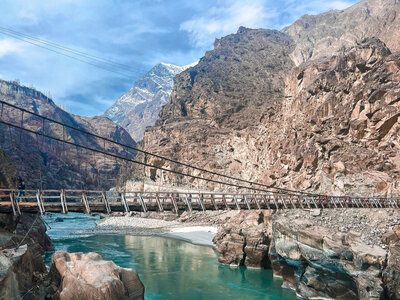
Hunza Valley, situated in the core of the Himalayan range in Pakistan, is often referred to as paradise on earth. It features stunning landscapes, towering peaks, and a rich cultural heritage, making it a destination that draws visitors from all over the globe. If you are wondering when the optimal time to travel in Pakistan is, you’ve come to the right place.
Hunza Valley can be visited year-round; however, certain months in each season are more advantageous for travelers. Additionally, summer is the ideal season to explore this area, with vibrant greenery and snow-covered peaks shining in the sunlight. We offer a variety of Hunza Tour Packages to explore all the tourist attractions.
Overall, travelers can plan their visit year-round, but should be mindful of the specific months for each season. When planning to visit Hunza Valley, it is essential to stay informed about weather conditions and route accessibility. In this article, we will discuss the best times to visit Hunza Valley.
Hunza Valley is located in the northern region of Pakistan, characterized by beautiful lakes, breathtaking peaks, colorful wildflowers, and numerous picturesque sites. People from around the world are eager to visit this remarkable valley.
Moreover, adventurers, photographers, and nature enthusiasts enjoy exploring Hunza Valley as the weather changes. The valley offers a variety of indoor and outdoor activities across different seasons. Below, we outline the yearly seasons in Hunza Valley.
In spring, Hunza Valley bursts with vibrant colors and a wide range of activities for travelers. The optimal months to visit are between March and May, when the weather is pleasant and the temperatures are moderate.
Spring is an excellent season for hiking and trekking enthusiasts in Hunza Valley. This season features clear trails, comfortable weather, and picturesque landscapes adorned with lush greenery and blossoming flowers. There are several renowned treks available, including the Passu Glacier Trek, Ultar Sar Base Camp Trek, and Rakaposhi Base Camp Trek.
Hunza Valley is particularly famous for its summer season, which is known for summer trekking and boating on Attabad Lake. These activities entice visitors from around the globe to explore Hunza Valley. Summer is indeed the peak time to visit this area.
Visitors can have a remarkable experience discovering the mountains and vibrant blue waters while boating on Attabad Lake and trekking through the beautiful weather and stunning landscapes.
Autumn kicks off in early September and continues until November, just before winter begins. This season is celebrated for its autumnal hues and favorable weather, as tree leaves turn shades of red, blue, and yellow. The changing colors of the leaves create a striking contrast against the towering mountains.
This season is ideal for visitors seeking cool, pleasant weather, crisp mornings, and sunny afternoons.
The winter season takes over after autumn. The weather transitions quickly to cold temperatures, and the mountains become snow-capped. Unique winter activities draw travelers to Hunza Valley during this season.
Visiting Hunza Valley in winter is the perfect opportunity to discover new experiences amid the snowy landscape. Photographers, nature lovers, and adventurers enjoy visiting Hunza Valley during this time.
Weather conditions vary across different seasons. Each season offers specific months to visit Hunza Valley. Visitors should be aware of the general climate and expected conditions per season before their journey to Hunza Valley.
The rain shadow significantly affects local weather, especially concerning snowfall. Hence, travelers must grasp the weather conditions before planning their visit to Hunza Valley.
Additionally, the high-altitude climate can influence temperature and the overall visitor experience. Expectations may not be met due to the high-altitude weather patterns, so travelers must be informed about the prevailing weather conditions.
By assessing Hunza Valley during different seasons and months, visitors can anticipate varying experiences. The weather system in Hunza Valley can differ from month to month, such as in May, July, September, March, and November.
In March, as temperatures rise and snow melts, a surge of visitors typically arrives in Hunza Valley.
In May, Hunza Valley is adorned with the colors of the spring season, as cherry blossoms and apricot trees enhance the valley’s beauty for guests.
In July, the warm weather allows visitors to partake in outdoor activities like trekking, hiking, and boating. The rich greenery in the valley brings joy to many visitors.
September marks the onset of autumn, bringing new transformations in leaf colors that contrast with the mountain scenery.
In November, the transition to winter begins…
The Hunza Valley provides a variety of tourist activities throughout different seasons. Visitors can enjoy hiking, trekking, boating, skiing, and photography, showcasing the valley’s stunning colors. The allure of Hunza Valley draws adventurers, nature enthusiasts, and photographers from around the world.
During the summer months, Hunza Valley offers a wide range of outdoor activities thanks to its pleasant weather and vibrant green landscapes, encouraging visitors to trek. This is the ideal season for trekking, especially along routes such as the Rakaposhi base camp. Boating on Attabad Lake is best experienced in May, June, and July, making these months perfect for water-based activities.
Spring brings a host of cultural festivals in Hunza. Local events and celebrations, such as the cherry blossom and apricot blossom festivals, predominantly occur between February and May.
Additionally, the prime months for wildlife watching in Khunjerab National Park are mainly December to February. Visitors can see snow bears, deer, and various wild bird species during this time.
The people of Hunza Valley have a rich cultural and historical background. They are known for their hospitality and warmth toward visitors. Hunza Valley is renowned for its local dishes such as Chapsuro and apricot-based sweets, which are often offered to guests.
The agricultural cycles in Hunza are closely interconnected with the area’s unique climate and geography. Farmers plant their apricot and apple crops as temperatures rise and snow begins to melt, transforming the valley into a picturesque landscape of blossoms.
In the summer months, from June to August, farmers grow various crops including barley, wheat, maize, and vegetables such as potatoes and tomatoes, thanks to the water supplied by melting glaciers.
As autumn approaches, temperatures gradually decline, marking the time to harvest fruits, vegetables, and other crops.
Finally, winter arrives, signaling a period of rest for farmers. During this time, they consume dried fruits and meat from livestock. This marks the conclusion of the agricultural cycle.
Local customs shift with the seasons; as spring arrives and the snow melts, celebrations like Jashn-e-Baharan take place.
In summer, farmers are busy tending to their fields in preparation for the impending harvest. They also celebrate the ‘beyar’ summer festival.
In autumn, the people of Hunza Valley focus on preparing for the crop harvest and adhere to the tradition of gathering their crops.
Lastly, winter descends, draping the higher peaks in snow and slowing life as temperatures drop. People often gather at each other’s homes to share stories, enjoy music, and play indoor games.
| Months | High / Low (°C ) | Weather Condition | Accessibility |
|---|---|---|---|
| January | -10° / -15° | Heavy Snow | Open Till Attabad Lake |
| February | -8° / -10° | Snowy Areas | Open Till Attabad Lake |
| March | -5° / 0° | Partially Snowy | Open Till Passu Peaks |
| April | 10° / 5° | Spring Season | Completely Open |
| May | 15° / 10° | Greenery | Completely Open |
| June | 25° / 15° | Sunny - Green | Completely Open |
| July | 28° / 17° | Rainy | Completely Open |
| August | 30° / 18° | Partially Cloudy | Completely Open |
| September | 25° / 12° | Partially Green | Completely Open |
| October | 15° / 8° | Autumn Season | Completely Open |
| November | 7° / 0° | Too Cold to Visit | Partially Close |
| December | -5° / -8° | Partially Snow | Open Till Sost |
In summary, Hunza Valley is an attractive destination in all seasons. Visitors will discover breathtaking sights and a lifestyle that evolves with the changing seasons. It stands out as a favorite spot for activities such as hiking, trekking, and boating.