If you’re considering a leisure trip and are pondering the best time to visit Pakistan Mountains and Plains, congratulations! Exploring Pakistan is an unparalleled adventure. The people and varied landscapes are distinctive, with each province and territory offering something unique. While you might be searching for a simple, direct answer about the best time to visit, there isn’t one.
Given that Pakistan is a vast country with diverse landscapes and climates, the optimal time to visit Sindh in the south differs from that for Hunza Valley in the north. You will also encounter numerous climate variations, especially as you venture into the mountainous regions. We have the best Pakistan Tour Packages for nature lovers and adventure seekers.
Nonetheless, there is indeed a “best” time for each area, as well as some months we would advise against visiting. My in-depth familiarity with the country has influenced this travel guide, which provides a thorough breakdown of Pakistan’s weather, organized by season and month.
Understanding Pakistan’s climate is essential when planning your itinerary. With such varied landscapes—from the towering mountains of Northern Areas like Gilgit Baltistan to the hot deserts of Sindh—we will categorize by province or territory.
All the highest passes are accessible only during the summer months, when glaciers melt rapidly. First, it’s important to note that August is the universally unfavorable month to visit Pakistan. The likelihood of landslides in mountainous areas and floods in many plains and lower regions of Pakistan is high.
If you remember one thing about Pakistan’s climate, it is that August is a monsoon month filled with rain!
Yes! Although you might be under the impression that Pakistan is a hot country, this applies only to certain areas. Many parts of Pakistan receive snowfall each winter, typically from December to March, much like other countries in the Northern Hemisphere.
Surprisingly, you don’t have to travel to Gilgit Baltistan to see snow, as several locations are within three hours of the capital, Islamabad. To enjoy the best winter experience in Pakistan, visit: Swat Kalam Valley, Nathia Gali, Malam Jabba, Azad Kashmir, Gilgit Baltistan, and Naltar Valley.
Here’s a guide to the best times to visit Pakistan, categorized by location. Seasons in Pakistan are somewhat defined; while only a few areas experience four distinct seasons, every region has seasonal variations. Below is an overview of Pakistan’s seasons and recommended travel times for each:
It’s a trekker’s paradise, as reaching the highest lake in Pakistan is only feasible during summer. Given the country’s varied climate, summer means different conditions based on the region you’re in. In the northern mountainous areas, it’s arguably the peak time of the year, characterized by ample sunshine and a vibrant tourism scene in places like Hunza Valley and Skardu.
However, bear in mind that June and July are peak months for domestic tourism in Pakistan, leading to a significant increase in commercial travel. Despite the large influx of travelers, it remains a beautiful season for the region, and finding quieter spots off the usual tourist paths is still possible. Hotel prices are typically highest during this period, but they drop significantly in September when schools resume.
Summer is the prime time for trekking in Pakistan’s mountains, with hundreds, if not thousands, of options in KPK and Gilgit Baltistan. River Rafting (and swimming) in Hunza is popular in July. These mountainous regions tend to be quite cold and generally lack indoor heating, making summer not only the best time to explore Gilgit Baltistan, Chitral, and Swat Valley but also, if you wish to see the mountains in their prime, essentially the only time.
Conversely, if your focus is on southern Pakistan, including parts of southern KPK, summer is the least favorable time to visit. Temperatures regularly soar above 100°F, and the beaches of Sindh and Balochistan become unsafe for swimming. If your primary interest lies in southern Pakistan’s historical landmarks, it’s best to avoid visiting during the summer months.
What I experienced one October evening in Hopar, Nagar, Chunda Valley, and Basho Meadows!
Fall is undoubtedly one of the finest seasons in Pakistan. The weather is pleasant even in Sindh, and it’s when you can finally explore the cities—like the various attractions in Lahore—without feeling overwhelmed.
Although it may be too chilly for some of the most popular treks, Autumn is the best time to discover Pakistan if you’re captivated by the stunning fall colors.
Nearly all of Gilgit Baltistan transforms into a vibrant display of orange, yellow, and red, with the magnificent Hunza Valley and many regions of Skardu being the top spots to witness this spectacle.
Moreover, you can also find impressive foliage in Phander (Ghizar District of GB) and Upper Chitral.
It’s All About the South. Winter is the prime season to experience Pakistan’s coastline.
Despite its beauty, winter in Pakistan can be intensely cold if you venture to the mountains. Most accommodations lack heating, and electricity is sparse.
Winter is a glorious spectacle of glittering fractals complete with a soundscape and atmosphere entirely its own.
On the brighter side, these months offer IDEAL weather throughout Southern Pakistan. During this period, you can swim at Karachi’s beaches and enjoy local festivals in total climate comfort.
Rainfall is uncommon, and most days have low humidity. I traveled around Sindh during the winter of 2024/2025, and it was a splendid experience.
While Sindh offers sub-tropical temperatures during what is typically a frigid season, the winter climate in Punjab and southern KPK is considerably colder. Be sure to bring a jacket if you plan to travel!
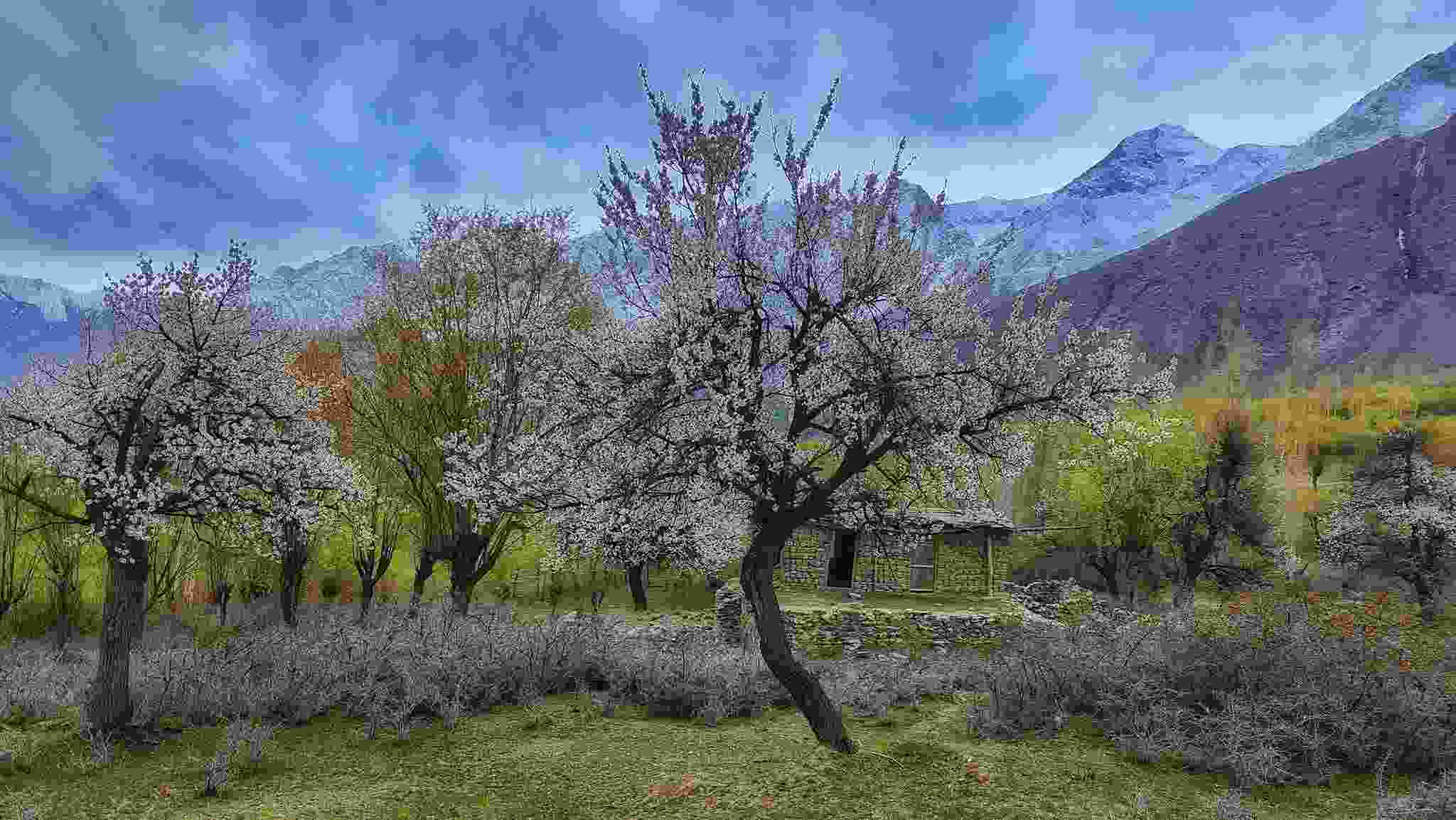
From mid-March to mid-April, the Northern Areas are alive with cherry, apricot, and apple blossoms, covering the valleys in delicate shades of pink and white.
Apricots, in particular, play a crucial role in the culinary culture of Hunza Valley – which could be one of the finest places to experience this brief yet enchanting season. Hunza Blossom Tours also available to make scenic photographs.
Even though Pakistan is generally one of the most affordable countries in Asia, prices are even more advantageous during the shoulder seasons. Skardu Spring Trips are specially designed to witness blossom season.
March and April in the mountains bring many sunny, warm days, though rainfall is more likely, particularly in April. As for May, the weather can be unpredictable but usually allows for some enjoyable treks. Keep in mind that even popular beginner treks like Rakaposhi Basecamp rarely become clear until early June.
While March remains a good time to explore Sindh, in Punjab and Lower KPK, it’s advisable to venture north before April. Although April and May are technically still spring, they frequently mark the hottest months of the year for most of the country.
Spring in Pakistan: Shoulder Season (March-April)
Blooms, blooms, and more blooms; Apricot and Cherry trees blossom in Hunza and Skardu in April.
Having explored Pakistan’s climate extensively, let’s discuss the specific months.
Based on over a year of experience in Pakistan, there isn’t a standout month for traveling to the country.
The best month largely depends on what you wish to see and do during your visit, so here’s a month-by-month guide to help you plan your trip, complete with authentic photos from each month!
Typically, January is the coldest month across the entire country. Even in Karachi, temperatures rarely exceed 80°F, and it’s wise to bring a light jacket everywhere.
Nonetheless, it’s an excellent month to discover everything Punjab and Sindh offer, with consistently pleasant weather and low humidity. This is the perfect time to utilize your travel camera in urban areas!
January is the most suitable month for exploring both Karachi and Sindh.
In Lahore, January is particularly unfavorable for exploration, as crop burning season makes the air nearly unbreathable, plus it’s COLD. Islamabad usually hovers around the low 60s in January, making it a great period to visit the city.
Unless you particularly want to witness snow in Pakistan, January stands out as one of the least favorable months to visit any mountainous region. While roads are typically accessible, almost all accommodations lack central heating.
Read in detail about: What is the Best time to Visit Hunza Valley
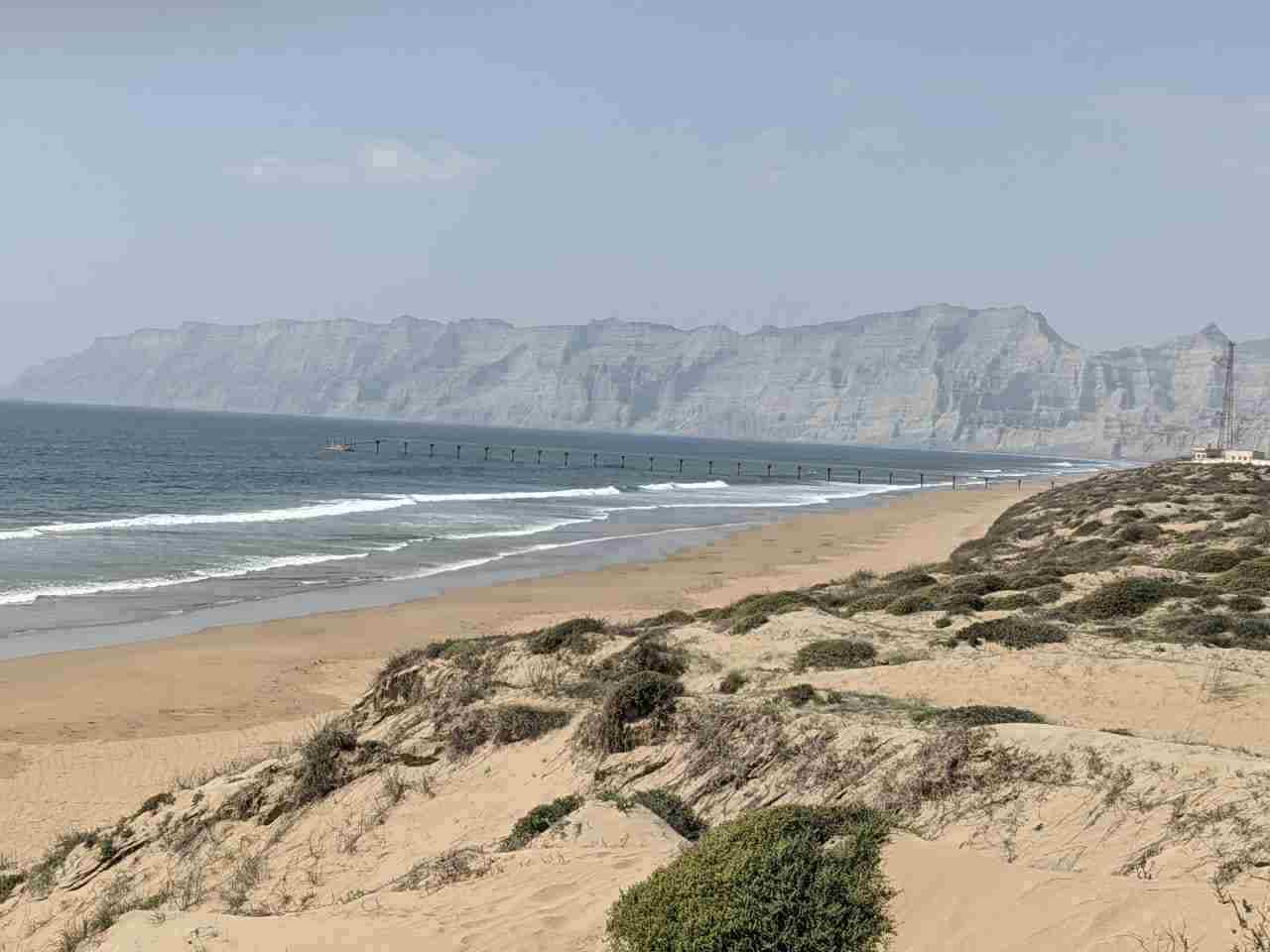
February is slightly warmer than January in Southern Pakistan and ranks as one of the best months to enjoy the country’s beaches.
A stunning sunset was captured while camping in Balochistan in early February.
Major cities like Islamabad, Lahore, and Peshawar will have warmed a bit, but remain comfortable for walking around. This month is one of the rare times to sample all of the best restaurants in Lahore without needing an air-conditioning break.
While winter still lingers in Northern Pakistan, various local festivals, such as the Cholistan Jeep Rally, take place south.
March is a transitional month for the country, heralding the arrival of spring in the chilly Gilgit Baltistan, with millions of flowers blooming. The flowering season usually kicks off around March 15th, with numerous trees producing apricots, a vital food in the Hunza Valley.
I suppose the best kind of spring morning is the best weather God has to offer.
At the start of March, the weather is typically characterized by “pleasant summer temperatures” in Pakistan’s major urban areas. But as the month progresses, scorching days in the 30s reappear.
Early March provided an excellent opportunity to explore Sehwan, which quickly became my favorite destination in Sindh!
On March 23rd, Pakistan marks a national celebration known as Pakistan Day, commemorating the moment when the concept of Pakistan as an independent state emerged.
Additionally, various Sufi Urs festivals can be found occurring during this period, especially in Sindh and Punjab.
In April, Pakistan’s weather shifts – the northern mountainous regions finally begin to thaw, whereas Punjab and Sindh heat up.
Until mid-month, many valleys in Gilgit Baltistan and Upper Chitral remain adorned with blossoms.
And believe me, they are truly worth planning a visit around! The sights in Hunza Valley appear even more enchanting when covered in flowers.
Rainfall is frequent during April in the Northern Areas, though it’s also possible to enjoy some of the warmest and sunniest days. Most trekking routes and high-altitude roads (such as Babusar) will remain closed to public access.
The beginning of April signals the conclusion of any time spent in Southern Pakistan – temperatures stabilize in the high 90s and continue to rise.
Ahh, May, the official start of Pakistan’s trekking season, and a truly wonderful time to embark on any journey in Pakistan.
Most schools remain in session, allowing you to relish the mountains before the tourist season fully kicks in.
May is the month when these hiking trails become accessible once again.
Temperatures in Northern Pakistan are generally sunny and hover around 70 degrees, although warmer or cooler days can occur. By the end of May, all drivable roads should be open, including Babusar, Shandur, and Khunjerab Passes.
For the southern regions, May usually signifies extreme heat and often record-breaking temperatures. I had to spend a few days in Islamabad in May 2024, and the temperature was scorching.
In summary, summer exploration in Pakistan revolves around the north’s breathtaking natural wonders.
Temperatures climb into the “summer” range, and the hiking and climbing season is in full swing. While many popular travel spots may be crowded, it’s still relatively easy to escape the masses.
June tends to be the busiest month for tourism in Pakistan.
For instance, June is arguably the worst month to visit the renowned Fairy Meadows, but it’s an ideal time to discover the unspoiled and authentic Naran Kaghan.
The weather in Pakistan’s major cities will be quite intolerable throughout June. As the monsoon season begins this month, Karachi and other regions of Sindh and Balochistan may experience heavy rain and flooding.
Hurrah!!! June is one of the peak months for tourism in Northern Pakistan.
July is the warmest month of the year in northern Pakistan, with temperatures often surpassing 80 degrees.
July serves as the BEST month for trekking in Pakistan!
Numerous well-known treks, such as Rush Lake, Rakaposhi Basecamp, Broad Peak, Ultar Sar, and K2 Basecamp, find their prime weather conditions in July, and wildflowers are frequently spotted in nearly every meadow.
Camping will be most comfortable during this time, and while rain remains common, it is less frequent in many parts of Pakistan’s Northern Areas.
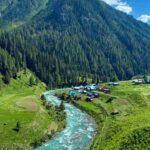
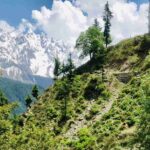
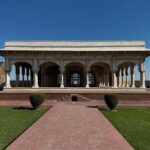
Traveling to Pakistan in August can be quite a risk. The monsoon season finally arrives in the Northern Areas, potentially leading to severe flooding and destruction. Rainfall in Pakistan is extremely serious.
In August 2022, unprecedented monsoon rainfall, combined with melting glaciers, caused significant damage across the country. Over 33 million individuals were displaced, and there were many fatalities. This impact was experienced in every province and territory, from Sindh to Gilgit Baltistan, albeit to varying extents.
Like fingers on a piano, rain tickles the world, creating song and wonder
Typically, August in Pakistan looks cloud-filled.
Though this scenario won’t occur every year, it is certainly a factor to consider when planning your visit to Pakistan.
Beyond the monsoon, urban areas in Pakistan will remain sweltering at around 40°C throughout August, as we witnessed during our stay in Lahore in 2024 (a novice error).
When it’s not raining, temperatures in the North are usually warm and pleasant in August. Additionally, you’ll find Independence Day celebrated nationwide on August 14th.
Interestingly, September might be the ideal month to visit Northern Pakistan. Domestic tourism declines significantly, and most days remain warm and sunny.
September also marks the final month to comfortably trek in the mountains, although nighttime temperatures will begin to drop as October draws near. Nevertheless, you can certainly make good use of your hiking gear all month long!
Astore Minimarg Tours on a spectacular September day.
From my experience, the September I’ve spent traveling in Pakistan has consistently delivered the most sunny days. Toward the month’s end, you’ll begin to see beautiful fall colors in Upper Hunza, parts of Skardu, and Upper Chitral.
September is still not an optimal time to visit the southern regions, where temperatures often exceed 100 degrees; however, by the month’s end, temperatures will be slightly more comfortable.
For those who appreciate fall foliage, October is the best time to explore Pakistan. Although it may be a bit cold, the stunning autumn colors throughout Gilgit Baltistan make it worth wearing an extra layer!
Almost the entire GB region showcases foliage in some way, although I have a particular fondness for the enchanting areas of Central Hunza and Nagar.
You can also witness remarkable colors throughout Skardu and Phander, a picturesque village located in the Ghizer District.
This is what makes October one of the ideal months to visit Pakistan.
October is also when major cities in Pakistan (Lahore, Islamabad, Karachi) become enjoyable in terms of temperature, though the latter part of the month will be significantly cooler than the earlier days.
The Babusar Pass, the primary road linking Gilgit Baltistan to the rest of Pakistan, usually closes by mid-October. The longer Karakoram Highway route, however, remains accessible year-round.
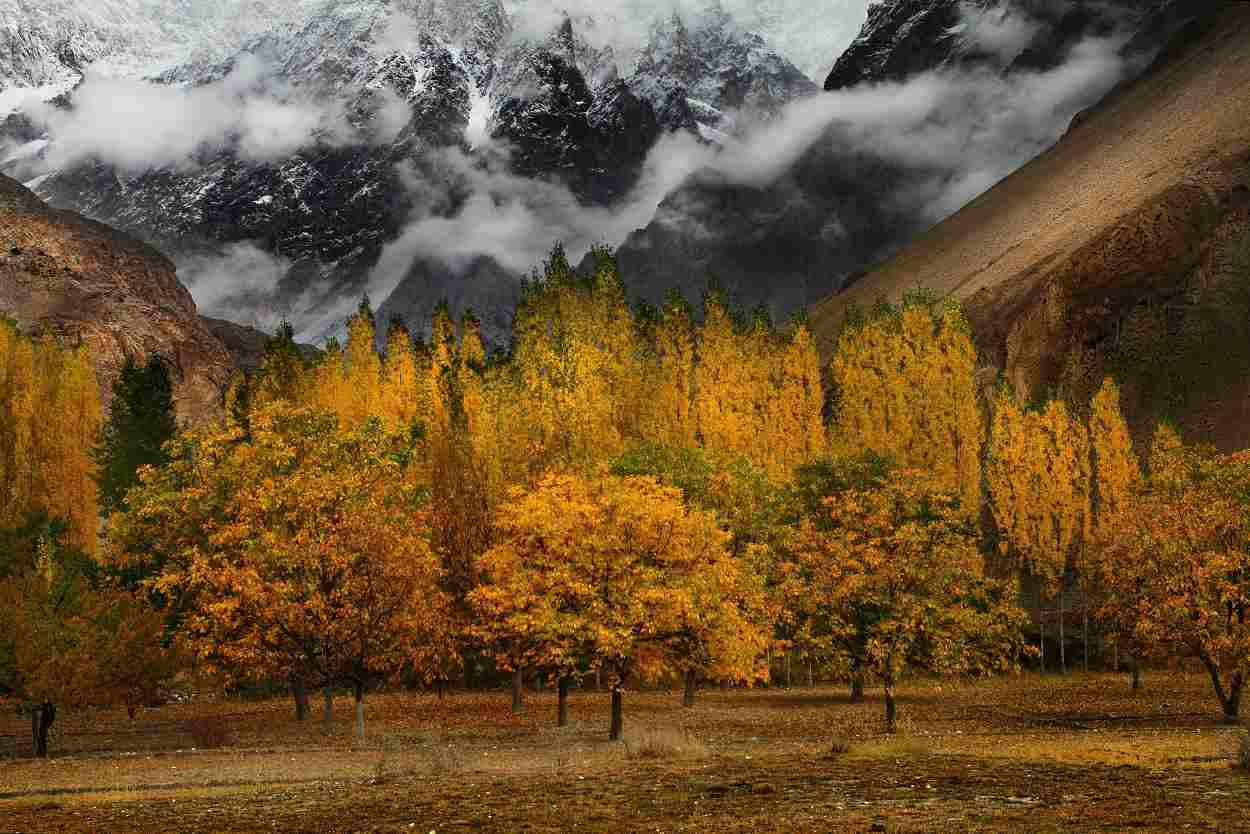
The vibrant foliage is visible throughout the northern regions until approximately November 15th, and temperatures begin to fall as the leaves drop.
During this season, temperatures often come close to 0 degrees F, but you can find plenty of extra winter apparel available in local stores.
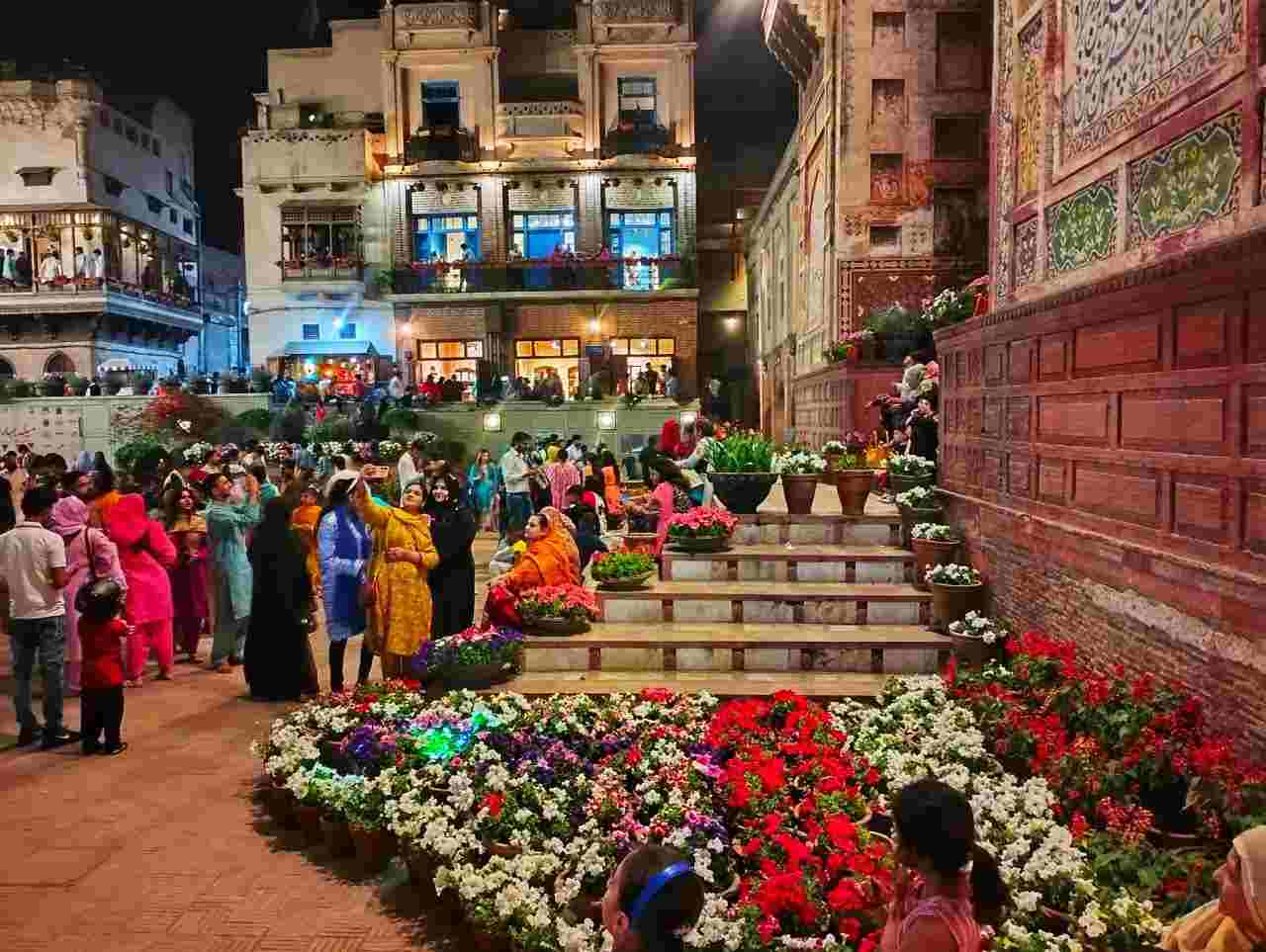
A colorful celebration took place in the Walled City of Lahore for Eid Milad-un-Nabi in November 2024.
Conversely, November is one of the most favorable months to visit southern Pakistan. From Karachi to Peshawar, the weather will be very pleasant, with the possibility of cooler nights as the month progresses.
December is among the coldest months in Pakistan overall, which means the southern regions finally become enjoyable.
It’s a great time to visit Karachi, though you may feel a bit cold if you plan to swim!
In December, temperatures in Islamabad and Peshawar will range from 20 to 30 degrees, and the same goes for Lahore.
December offers the best opportunity to visit Islamabad, where you might even experience a chill!
However, it’s the worst time to travel to Lahore, as the city becomes heavily smoggy.
Lahore usually faces pollution issues, but December is known as the “burning season,” when fields in Punjab are burned after harvest.
The Northern Areas will experience extremely cold temperatures in December, and most hotels and homes lack central heating.
I hope this gives you a clearer understanding of the best time to visit Pakistan! As mentioned earlier, the country’s diverse climate can be distilled into: summer is for the north and winter is for the south!
Therefore, if you love mountains, plan your trip to Pakistan between May and September (keeping in mind the August monsoon). And if you wish to explore Pakistan’s historical landmarks in warm, humidity-free weather, book your trip between November and March.
Even if your visit doesn’t coincide with the best season, you’ll still be in for an unforgettable adventure. I, for one, fell in love with Pakistan and Lahore in 2024, despite the heat in June and July!