
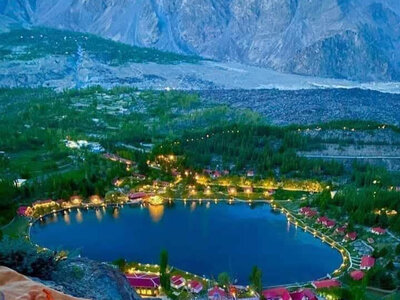
The ideal time to visit Skardu is from June to November, when the valley enjoys moderate, pleasant weather. Considering key factors any traveler should know about going to Skardu, including travel expenses, climate conditions, peak tourist seasons, and more, October-November is the prime period for a visit.
In the summer months, the average highest temperature hovers around 5℃ (42℉), though it can occasionally climb to 7℃ (45℉) on the hottest days. Nighttime temperatures in winter can plummet to as low as -34℃ (-30℉).
If you are looking to catch some sun in Skardu, July offers the longest daylight hours throughout the year. The rainy season in Skardu typically occurs around June each year. It’s common to experience significant rainfall or light showers during this period, but many days can also be quite pleasant with only a few isolated drops from intermittent showers.
To discover all you need to know (and avoid unnecessary details) about the best times to visit Skardu. Additionally, you’ll find resources to assist you in securing the best Skardu Tour Packages and accommodation deals!
Understanding seasons in Skardu is crucial as they may differ from those in your home country. Skardu in the Northern Areas of Pakistan and its seasons are defined as follows:
Summer: June to August
Autumn/Fall: September to November
Winter: December to February
Spring: March to May
Average temperatures in Skardu can help guide your decision on when to visit. Below is a chart showing the average minimum and maximum temperatures in Skardu each month, making it easy to compare yearly weather variations. To see temperatures in both Celsius (°C) and Fahrenheit (°F), hover or tap on the shaded areas of the graph.
The climate in Skardu is relatively mild compared to other regions in northern Pakistan. The hottest months are June to September, when temperatures can reach as high as 30°C, while the coldest periods are December to February, when temperatures often fall below freezing. Expect average temperatures around 10°C during the interim months. Rainfall peaks from December to May.
Enjoying the golden October sunlight at Deosai National Park.
The most favorable time to visit Skardu is during the summer months from June to September. It’s the perfect season to experience lush green landscapes in comfortable weather, with minimal rainfall, offering a pleasant escape from the oppressive heat in other parts of Pakistan. October is also an excellent time to visit Skardu to witness the stunning autumn foliage. Winter transforms Skardu into a picturesque white wonderland, though access to the city can be more challenging during this time.
Due to extremely cold winter temperatures in northern Pakistan, the best time to explore Skardu is from April to September. Autumn begins in mid-September and lasts about a month. Though notably scenic, it is very chilly! Cherry blossoms start to bloom in early April and typically last for about two weeks. Some attractions in the valley, like Deosai National Park, are only accessible for a few months during summer (more details on this later).
If you’re wondering when to head to Skardu, here’s some helpful information for your decision-making:
The coldest months are usually January, February, and December.
The rainiest months are June and August.
Spring in Skardu is truly enchanting. As the snow melts, it reveals verdant valleys and blossoming flowers. The temperatures are mild, making it perfect for sightseeing and outdoor activities. The renowned Deosai Plains and Sheosar Lake become accessible, offering stunning views and opportunities for wildlife encounters.
Spring in Skardu is revitalizing—literally. The melting snow at lower altitudes uncovers lush valleys and vibrant apricot and cherry blossoms. Average daytime temperatures range between 15–20°C (59–68°F), while night temperatures can drop to approximately 5°C (41°F) or slightly lower.
Summer marks the peak travel season in Skardu. The weather is warm, with temperatures between 15°C and 30°C. It is the prime time for high-altitude trekking, including the K2 Base Camp trek and the Baltoro Glacier trek. The area’s lakes, like Shangrila Lake and Sheosar Lake, are accessible and ideal for boating and fishing. The clear skies also offer excellent chances for stargazing and photography.
During the summer months in Skardu, the temperatures are pleasantly warm, typically reaching daytime highs between 25°C and 30°C (77–86°F). Nights tend to be cooler, usually dropping to around 15°C (59°F). There may be occasional monsoon rains in late July or early August, but these showers are generally brief.
The arrival of autumn paints Skardu with vibrant colors. The leaves take on golden hues, and the climate remains pleasant. This period is ideal for capturing photographs and immersing oneself in the local culture. The Skardu Valley, adorned with tranquil lakes and towering mountains, becomes even more captivating. Be sure to partake in the harvest season festivals, which showcase the area’s traditional customs.
Autumn in Skardu could very well be my favorite season. During the day, temperatures are mild, ranging from 15–20°C (59–68°F), while nighttime can be quite cold, dipping to nearly 0°C (32°F). The clear skies offer breathtaking mountain views.
Winter metamorphoses Skardu into a snowy haven. Despite being off-peak season, the winter scenery in Skardu is extraordinary. The lakes, now frozen, and the snow-draped peaks create a stunning vista. If you’re keen on winter activities like skiing and ice skating, this is the ideal time to visit. Keep in mind that some areas may be unreachable due to significant snowfall.
The winter season in Skardu presents a breathtaking landscape filled with snow-covered peaks and tranquil scenery. Daytime temperatures may linger around 5°C (41°F), but nighttime temperatures can plunge well below freezing, at times reaching –10°C (14°F). Be prepared for occasional road closures to remote locations due to heavy snow.
| Months | High / Low (°C ) | Weather Condition | Accessibility |
|---|---|---|---|
| January | -10° / -16° | Heavy Snow | Mostly Points Closed |
| February | -8° / -14° | Snowy Areas | Mostly Points Closed |
| March | -4° / -8° | Partially Snowy | Partially Open |
| April | 2° / -4° | Spring Blossoms | Completely Open |
| May | 6° / 2° | Moderate Cool | Completely Open |
| June | 15° / 10° | Mostly Clear Sky | Completely Open |
| July | 20° / 15° | Rainy + Cloudy | Completely Open |
| August | 22° / 17° | Partially Cloudy | Completely Open |
| September | 17° / 5° | Partially Green | Completely Open |
| October | 8° / 2° | Autumn Fall Season | Completely Open |
| November | -5° / -10° | Too Cold to Visit | Partially Closed |
| December | -8° / -12° | Partially Snowy | Mostly Points Closed |